1. What is peptide synthesis?
It is the production of a planned peptide sequence using suitable methods. Chemical synthesis aims to control the order of amino-acid incorporation. Planning the sequence does not remove the need to assess impurities and confirm the resulting material.
2. How are peptides synthesised?
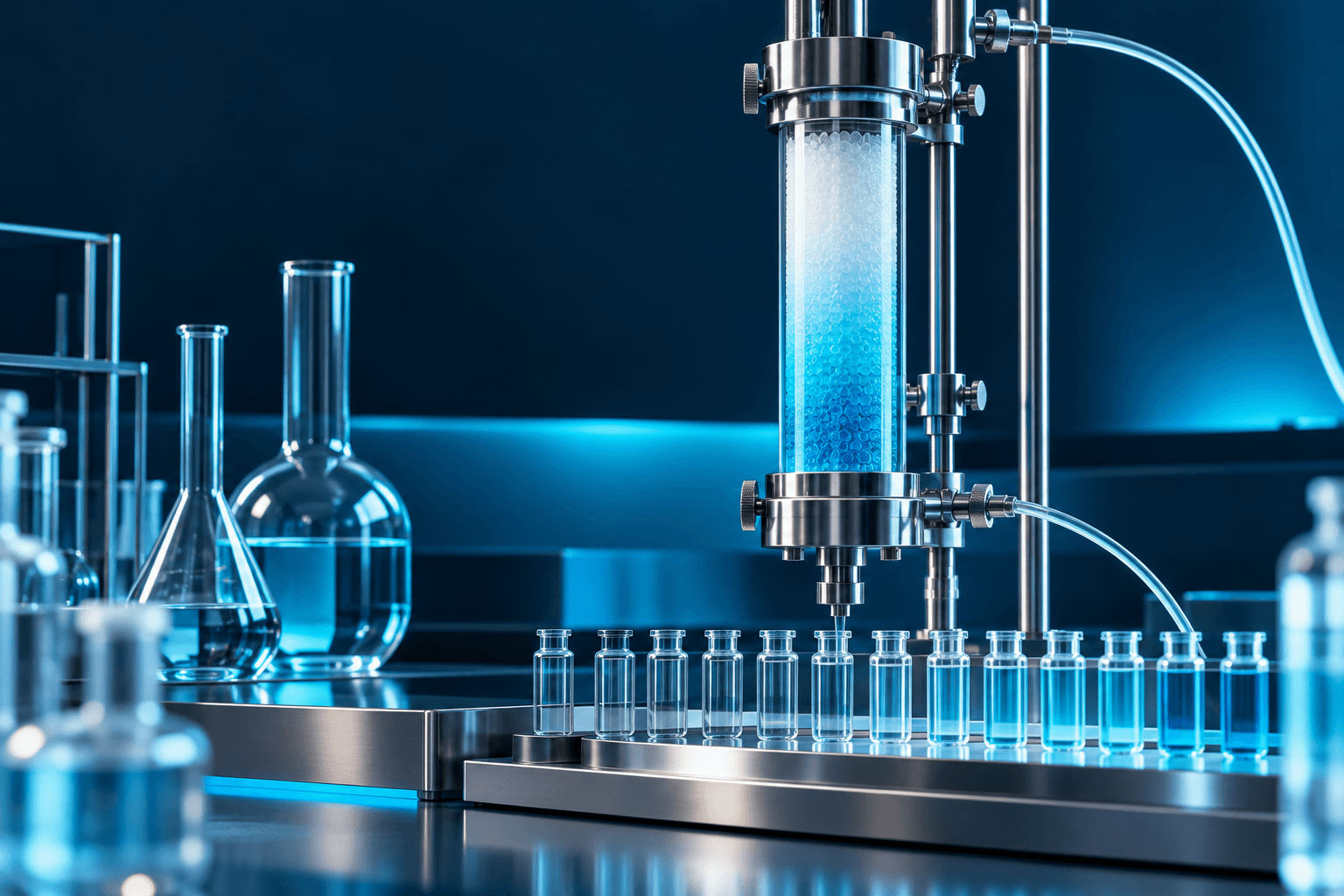
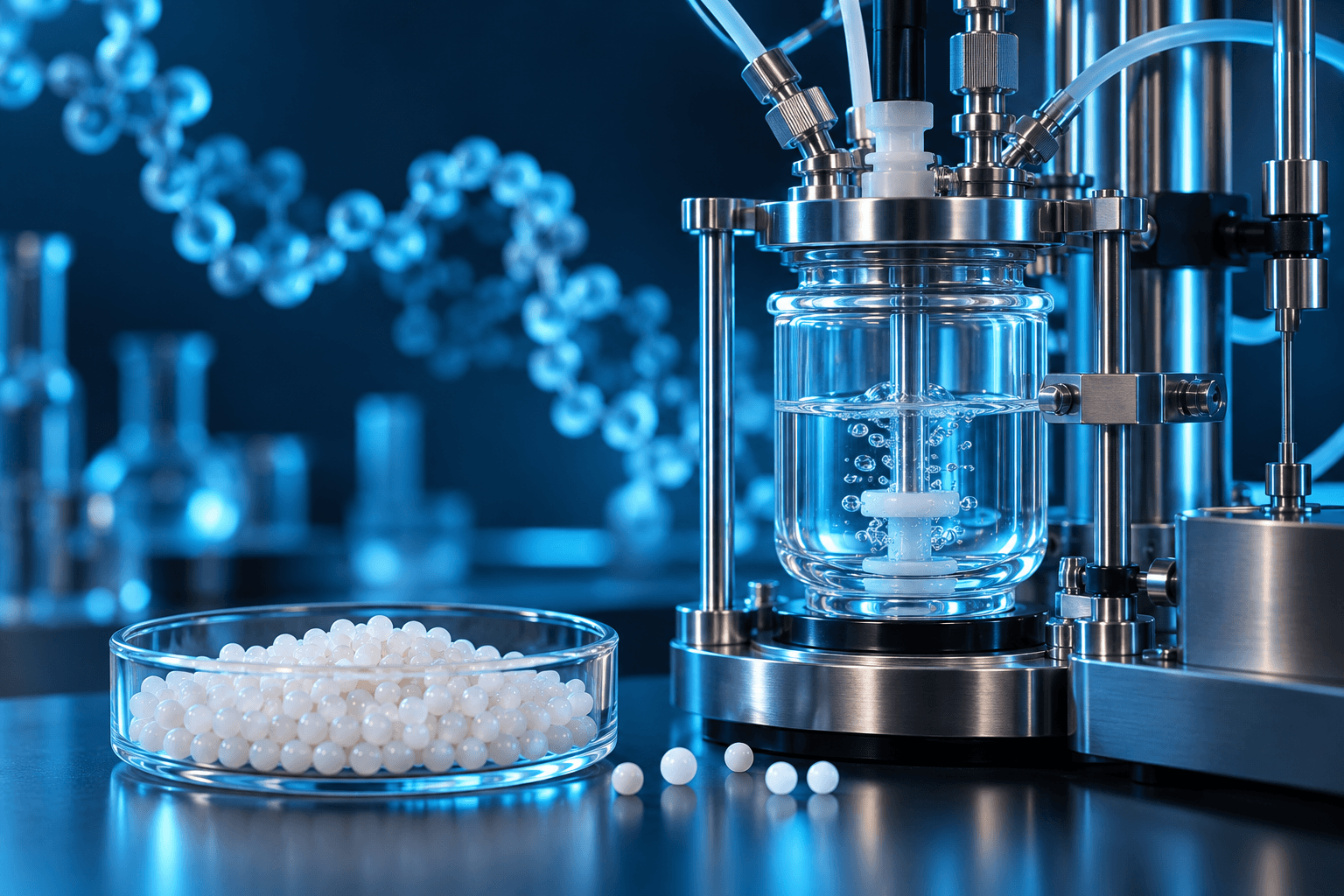
In solid-phase synthesis, the chain grows attached to a resin through successive additions of protected amino acids. Deprotection and washing accompany assembly. After release from the support, the material still requires purification and characterisation.
3. Peptide synthesis processes
Solution-phase and solid-phase synthesis are distinct chemical approaches. The choice depends on sequence, scale and process challenges. This overview explains concepts without providing operating conditions or a manufacturing protocol.
4. The value of synthetic peptides
Producing a defined sequence enables planned comparisons and study materials. To assess that value, we recommend connecting the scientific question to the requested specification and batch data. “Synthetic” describes a production origin, not proof of efficacy, safety or regulatory authorisation.
Educational content. It does not replace professional guidance, provide use protocols or establish regulatory authorisation for products.